Best Rolls Ever!
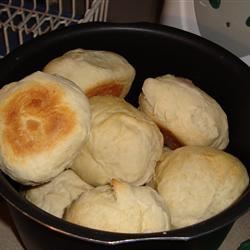
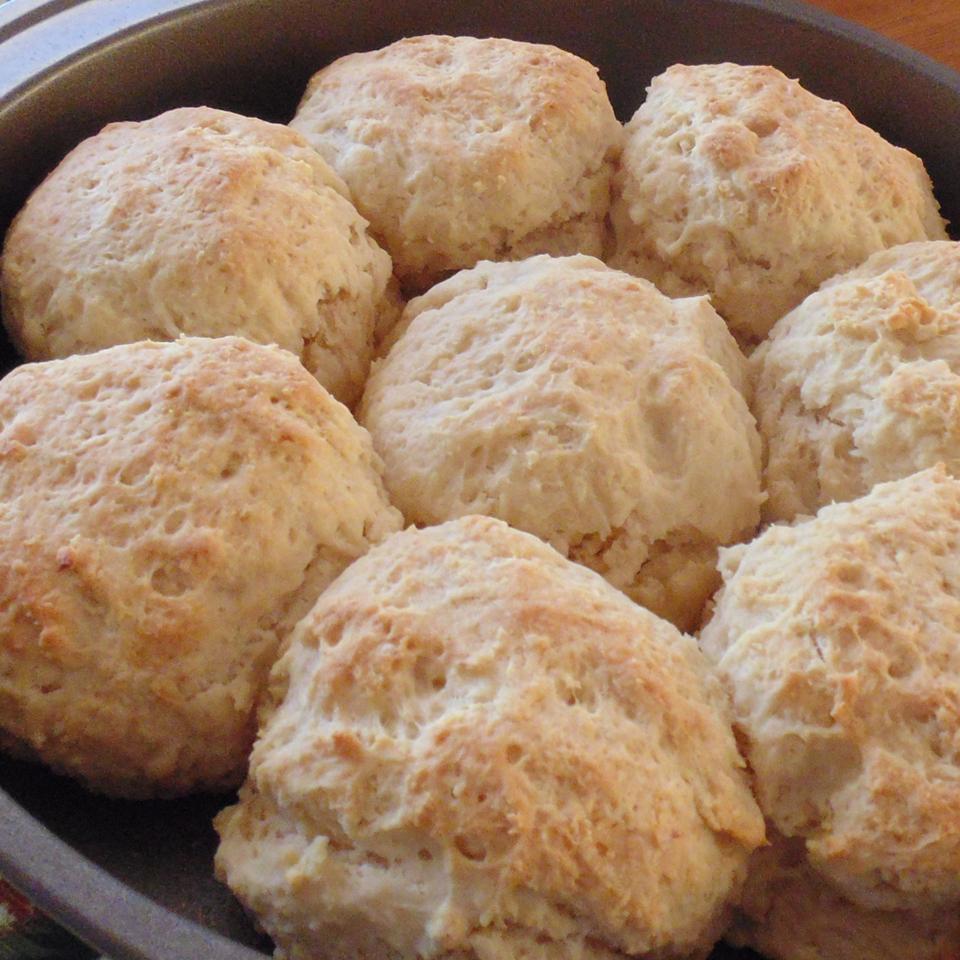
A yeast-roll recipe which uses self-rising flour for the most airy, delicious rolls ever! Note: the secret to these light and airy rolls is NOT punching down the dough and NOT kneading it, plus the added lift the self-rising flour gives.
INGRIDIENT
DIRECTION
Step: 1
In a large bowl place 2 cups water and butter or margarine. Microwave about 2 minutes.
Step: 2
In another bowl, mix 1 cup sugar and eggs.
Step: 3
In a separate cup, microwave 1/2 cup water for 30 seconds. Add 1 teaspoon sugar and dissolve yeast in this.
Step: 4
Mix butter water and sugar and eggs mixture together; add salt. Mix in yeast water. Stir in 7 to 7 1/2 cups flour. Mix well and let rise in the refrigerator overnight, covered.
Step: 5
When ready to use, dump onto floured surface (DO NOT PUNCH DOWN!) and let warm to room temperature. LIGHTLY KNEAD! Only work in enough extra flour to handle.
Step: 6
Shape into rolls and place on greased sheet(s). Let rest 30 minutes, or until doubled in size.
Step: 7
Bake in a preheated 400 degree F (205 degrees C) oven until tops are golden. Brush with oil or butter immediately out of the oven.
NUTRITION FACT
Per Serving: 248 calories; protein 4.8g; carbohydrates 37.9g; fat 8.5g; cholesterol 35.8mg; sodium 654.5mg.
The quality of the flour could make a real difference to your bread. Different makers do vary. Extra-strong or Canadian flours, which are bet higher in gluten, may give you a best rise than standard dough flours – especially if you’re making wholemeal bread , which doesn’t always getting bigger as well as white bread.
To made this in a breadmaker , add all the menus to your breadmaker and follow the makers instructions.
A dough’s first rising can be done in the fridge overnight . This slows down the time it takes to rise to double its size, giving it a deeper flavour. It’s also a great timesaver , as you can start it night before , then clear it off the next day.